
HELLO,
I'M ERIN
Accredited Mental Health
Social Worker & EMDR Therapist
HELLO, I'M ERIN
ACCREDITED MENTAL HEALTH SOCIAL WORKER & EMDR THERAPIST
When it comes to effective therapy, there are a few key ingredients. The connection and partnership created with your therapist is one of them.
We all come to therapy carrying different thoughts, feelings, experiences and expectations. Maybe you're considering therapy for the first time ever or, maybe this isn't your first rodeo. Maybe you feel clear about what you need and want or, maybe you're feeling apprehensive or overwhelmed. Regardless of where you're at, it's worth taking some time to find support that matches you and your needs.
Below you will find some information about me and the therapy I offer. I hope this helps you in deciding if we could be a good fit in this work together. You are more than welcome to get in touch with any follow up questions you may have.
ABOUT ME
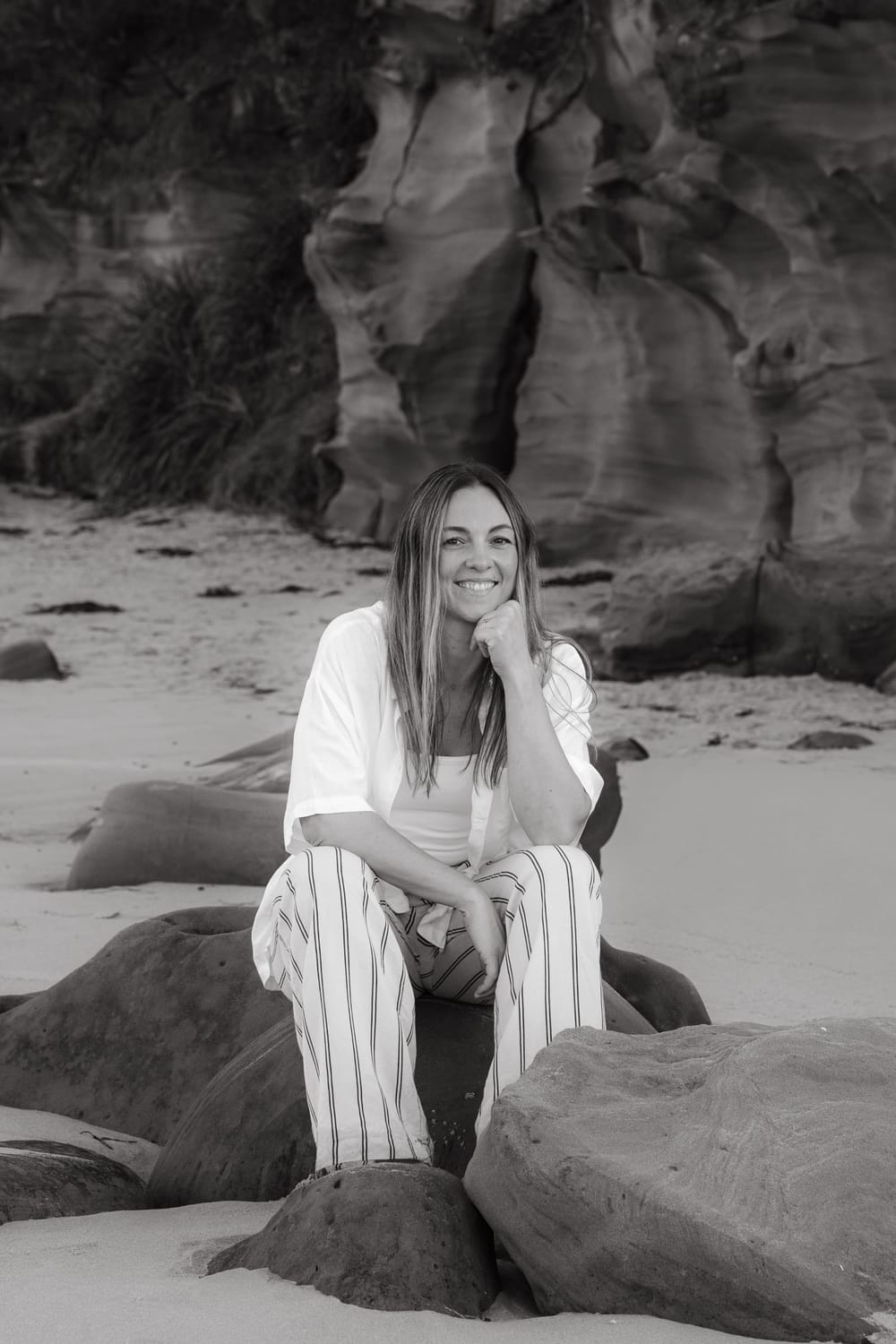
I started working as a helping professional back in 2007 while I was studying to become a Registered Nurse. Through my nursing placements and jobs, I came to realise I wanted to understand more about the person behind the health or medical issue.
I was drawn to the way social work saw the person in their environments (and how these things influence each other) and the opportunities to work with the person and the many systems around them. I transferred into my Social Work degree while continuing to work in the field. In 2020, I started practising in clinical and therapeutic roles as a Social Worker.
Over the course of all these years, I worked in the non-government sector, public health system, and the private practice space. My experience primarily spans across the areas of mental health, substance use, and various forms of trauma and adversity. You can find more information about my work history on [LinkedIn].
On a more personal note... I'm a mum of two; used to be fond of an adventure but am now quite fond of creature comforts (although my ADHD-brain is always looking for some novelty); I love opportunities to be creative; live for unhurried chats with friends; and would love to spend more time in the ocean.
ABOUT ME
I started working as a helping professional back in 2007 while I was studying to become a Registered Nurse. Through my nursing placements and jobs, I came to realise I wanted to understand more about the person behind the health or medical issue.
I was drawn to the way social work saw the person in their environments (and how these things influence each other) and the opportunities to work with the person and the many systems around them. I transferred into my Social Work degree while continuing to work in the field. In 2020, I started practising in clinical and therapeutic roles as a Social Worker.
Over the course of all these years, I worked in the non-government sector, public health system, and the private practice space. My experience primarily spans across the areas of mental health, substance use, and various forms of trauma and adversity. You can find more information about my work history on LinkedIn.
On a more personal note... I'm a mum of two; used to be fond of an adventure but am now quite fond of creature comforts (although my ADHD-brain is always looking for some novelty); I love opportunities to be creative; live for unhurried chats with friends; and would love to spend more time in the ocean.
CLINICAL EXPERIENCE


My areas of clinical experience and interest include:
PTSD and Complex-PTSD
Dissociative disorders
Personality disorders
Experiences of psychosis
Hearing voices
Substance use and addiction
Self-harm and self-injury
Suicidal ideation and behaviours
Anxiety and OCD
ADHD and Autism
Chronic depression
Trauma and adversity
Sexual assault and abuse
Family and domestic violence
Institutional and systemic harms and injustices
THERAPIES
AND APPROACH
I've trained in various therapies over the years. These are the ones I resonate with most (listed in alphabetical order). They are robust and flexible therapies which I use in a trauma-, dissociation-, attachment-, and identity-informed way. They are also reflective of my inclusive approach to working with the mind, body and nervous system.
I'm what you would call an 'integrative therapist'. This means that in collaboration with you, I draw from my training and experience to meet your particular needs, challenges, preferences, goals, readiness, etc. Ultimately, our partnership and collaboration in therapy is the secret sauce.
I'm here to help you with whatever meaningful change looks like for you. I don't take a one-size-fits-all approach. Generally speaking, I tend to go beyond symptom management and support you with shifting the root causes of your challenges.
DBT is a type of cognitive behaviour therapy that focuses on radical acceptance and change. The skills and concepts fall into these four categories: distress tolerance, emotion regulation, interpersonal effectiveness and mindfulness. DBT is often recommended for those who are struggling with intense feelings and dysregulation, urges and impulsivity, self-harm, suicidal thoughts and behaviours, substance use, disordered eating, relational conflict, among other challenges.
EMDR is a highly effective therapy for processing traumatic experiences or unhelpful beliefs that keep us stuck in trauma-time or old patterns. I have completed basic and advanced EMDR trainings, and utilise this therapy routinely (when people are consenting of course) For more information, jump over to this page on my website that's dedicated to EMDR and my offerings with this therapy.
ERP is a type of cognitive behaviour therapy specifically developed for those living with Obsessive Compulsive Disorder (OCD). ERP involves gradual exposure to the things that trigger OCD-related anxiety and compulsions whilst tolerating discomfort, regulating emotions, and not engaging in compulsions. For more information, please get in touch. You can also check out the International OCD Foundation's website.
The SSP is a polyvagal-informed therapy that uses filtered music as a way to deliver cues of safety and connectedness directly to your Autonomic Nervous System (ANS). This passive listening therapy is designed to improve nervous system regulation and flexibility so you can connect with yourself in an embodied way. The SSP can also create a level of openness that allows you to better connect with others and the world around you, and to receive cues of safety and okayness that are there in your day-to-day life. This therapy can be helpful in reducing symptoms and/or challenges associated with depression, anxiety, neurodevelopmental differences such as ADHD and Autism, sensory processing differences, trauma, and more. For more information, jump over to this page on my website that's dedicated to the SSP and my offerings with this therapy.
Schema Therapy is a type of cognitive behaviour therapy that works with what's sitting underneath our symptoms, pain, patterns, and challenges. This is a more structured, explorative, and practical parts work therapy that works with the life experiences that have shaped how we see and relate to ourselves, others, and the world around us.
Parts work is quite a broad term and is actually a feature of many well-known therapies. For example: DBT references 'mind states', and Schema Therapy references our various 'schemas' and 'modes'. I have specifically included parts work here because my training and practice extends beyond this. For me, parts work is a therapeutic approach for working with internal conflicts, dissociative states, identity fluidity and fragmentation, complex but rich inner-worlds, and more. My use of parts work is always tailored and evidence-informed. I primarily draw from structural-dissociation theory, polyvagal theory, neurobiology, psychodynamic therapy, and ego-state therapy.
INTERBLOOM'S ADMIN SUPPORT
MEET BRIE
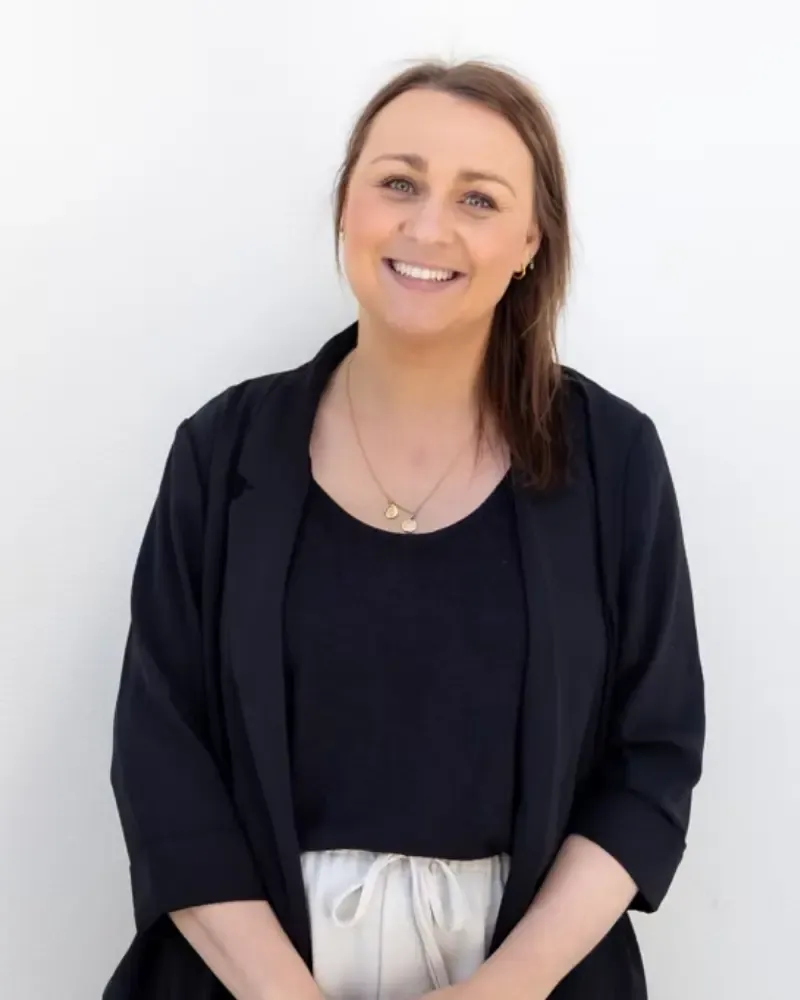
Brie is our lovely, invaluable member of the team who ensures things go smoothly during your time with InterBloom. She works remotely from Victoria, Australia, and handles all enquiries, payments, cancelling and rescheduling of appointments, etc.
THE SPACE
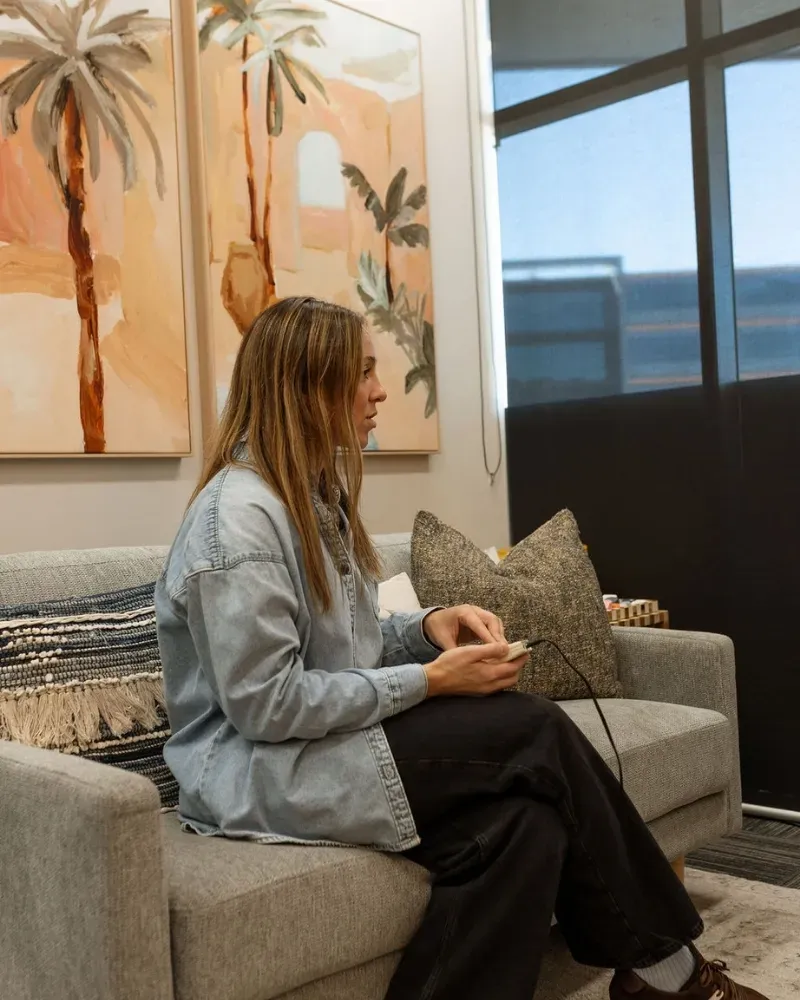
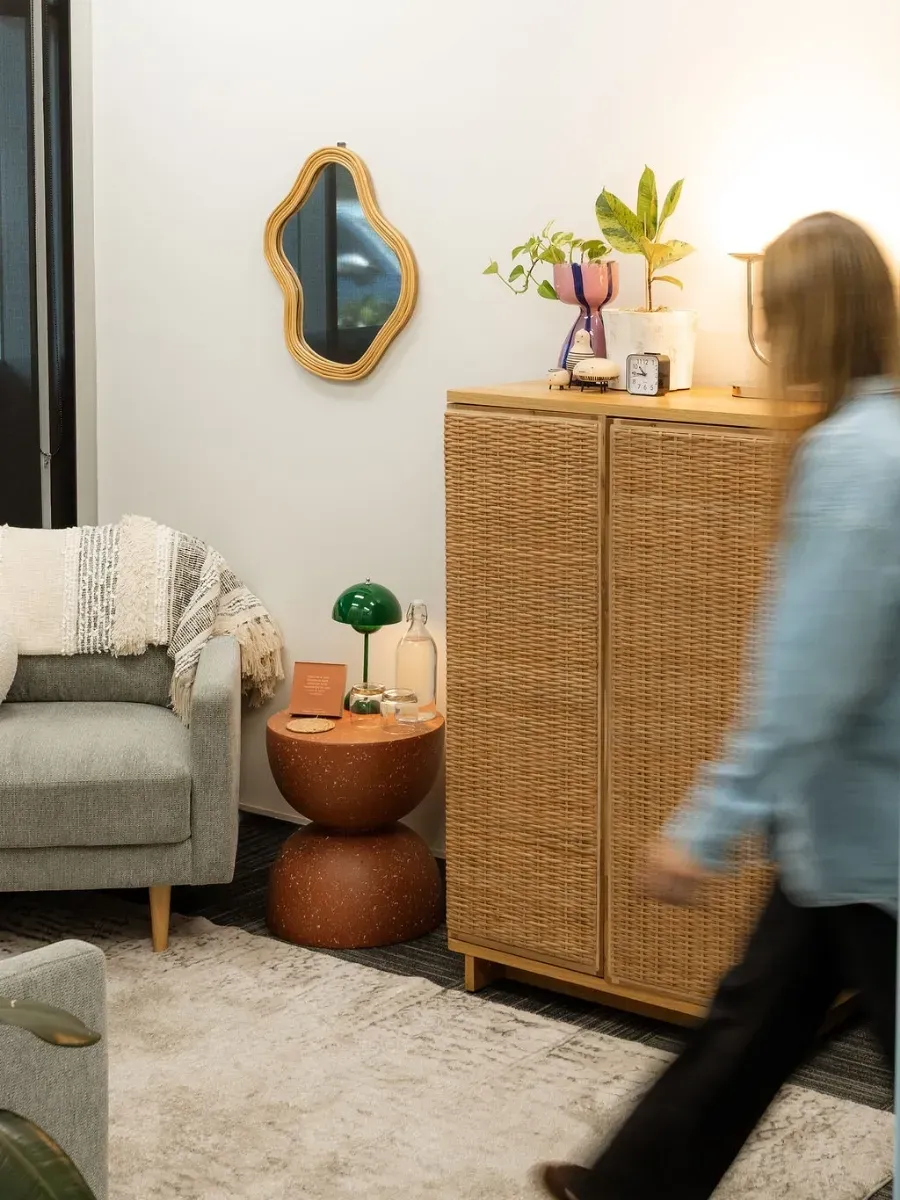
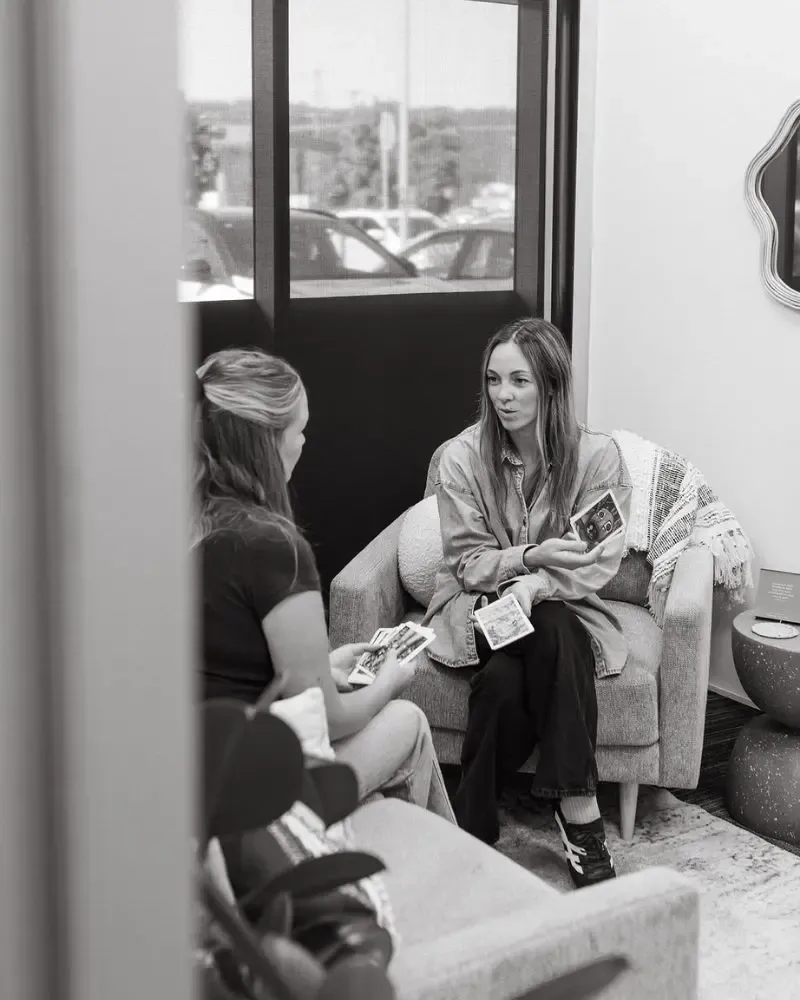
The InterBloom office is a cosy space, centrally located within Riverside Park in West Gosford, not too far from the freeway.
Once you step into WG Suites, you will see our waiting area. The room itself is lit up by lamps as the fluoro overhead lights are quite strong however, I can turn those on if you prefer. There is a window that looks out towards the footpath with a view of the sky and trees. People walk by from time to time however, they can't see in. We can lower the blind if this becomes too distracting or uncomfortable for you.
In the room you'll find a 2.5 seater lounge and a wide armchair. You are welcome to sit wherever you like, the armchair is not exclusively for me. The room is always stocked with water, mentos, tissues, fidgets, etc.
I think you’ll find this a comfy place to land.
ACKNOWLEDGEMENTS
I acknowledge the Traditional Custodians of Country across Australia and their continuing connection to land, water, sky and community. I pay my deepest respect to Elders past and present, and extend that respect to all First Nations peoples. Always was, always will be Aboriginal land.
Diversity is respected, valued and celebrated here. You and your lived experience are important.

LINKS
© 2026 InterBloom ~ All Rights Reserved ~
Website By Virtual Focus